“Knowledge is power, especially when it comes to your health.” — Francine Russo
Breasts are a remarkable part of the female body, serving both functional and aesthetic purposes. However, their complexity goes beyond appearance. Understanding your breasts, how they change, and how to take care of them is crucial for overall health. In this comprehensive guide, we will delve into the intricacies of breast health, from breast anatomy to the changes they undergo throughout life. Armed with knowledge, you can take proactive steps to maintain breast health and well-being.
Breast Anatomy: Getting to Know Your Breasts
“Breast health begins with understanding your anatomy.” — Dr. Susan Love
Understanding the anatomy of the breasts and their associated components is vital for breast self-exams, early detection of breast abnormalities, and discussions with healthcare providers about breast health. Regular breast self-exams and mammograms, as recommended by healthcare professionals, are important aspects of maintaining breast health and detecting any changes or concerns promptly.
Breast Structure
Breasts are composed of glandular tissue, fatty tissue, and connective tissue. Glandular tissue includes lobes and ducts responsible for producing and transporting milk during breastfeeding. These structures are crucial for lactation when a woman is breastfeeding.
Nipple and Areola
The nipple is the central projection on the breast’s surface. The nipple is the raised, often pigmented,
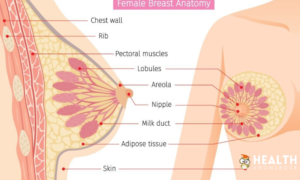
part of the breast that serves as the outlet for milk during breastfeeding. It contains numerous small openings (ducts) through which milk flows.
The darker pigmented area around the nipple is called the areola. The areola is the circular area surrounding the nipple. It varies in size and pigmentation among individuals. During breastfeeding, the areola plays a role in latching and milk transfer.
Lymph Nodes
Lymph nodes in the armpit (axillary nodes) and around the collarbone (supraclavicular nodes) are essential for draining lymph fluid from the breasts. The lymphatic system in the breast includes lymph nodes, which help filter and drain lymphatic fluid from the breast tissue. These lymph nodes play a crucial role in detecting and addressing potential issues, including infections or breast cancer.
Breast Development: From Puberty to Adulthood
“Breast development is a natural part of growing up.” — Dr. Laura Berman
Breast development is a dynamic process that occurs throughout a woman’s life, with significant changes taking place during key stages. Here’s an overview of breast development from puberty to adulthood:
Puberty
Breast development typically begins during puberty, triggered by hormonal changes.During puberty, the female body undergoes significant hormonal changes, primarily the increase in estrogen levels. These hormonal shifts stimulate the development of breast tissue. Breasts can start as small, tender lumps beneath the nipples and gradually grow in size and shape.
Breasts can develop unevenly during this phase. It’s common for one breast to develop slightly ahead of the other during puberty. These differences usually resolve over time as development progresses.
Menstrual Cycle
Hormonal fluctuations during the menstrual cycle can lead to temporary breast tenderness or swelling. Many women experience changes in breast texture and size in response to hormonal fluctuations, especially in the days leading up to menstruation. This is often accompanied by breast tenderness or soreness.
These changes. Breast changes related to the menstrual cycle are typically normal and usually resolve as hormonal levels stabilize. They are considered a normal part of the menstrual cycle.
Pregnancy and Breastfeeding
Pregnancy triggers significant changes in the breasts. Hormonal shifts, particularly the increase in estrogen and progesterone, lead to breast enlargement and increased blood flow. The breasts prepare for lactation, with the growth of milk-producing lobes and ducts.
After childbirth, the hormone prolactin stimulates the release of milk from the milk-producing lobes into the ducts, which transport milk to the nipple. The act of breastfeeding involves the baby latching onto the nipple, causing milk to flow through the ducts for the infant to consume.
The Menstrual Cycle and Your Breasts
“Breast changes are often linked to hormonal fluctuations.” — Dr. Jennifer Ashton
The menstrual cycle and hormonal fluctuations play a significant role in breast health. Here’s a closer look at how they can impact your breasts and what you can do to maintain breast health:
Cyclical Changes
Many women experience breast-related symptoms that are linked to their menstrual cycles. These symptoms, such as breast swelling and tenderness, often occur in the days leading up to menstruation. Hormonal fluctuations, particularly changes in estrogen and progesterone levels, can contribute to these cyclical changes.
Some women may experience benign breast lumps (fibrocystic breasts) that come and go with the cycle. Fibrocystic breasts are characterized by the presence of noncancerous lumps or cysts that may vary in size and tenderness. These lumps can change in response to hormonal fluctuations throughout the menstrual cycle and often resolve on their own.
Hormone Replacement Therapy (HRT)
Hormone Replacement Therapy (HRT) involves the use of hormones, typically estrogen and progesterone, to alleviate menopausal symptoms. It’s essential to discuss the potential benefits and risks of HRT with your healthcare provider, as it can have implications for breast health. Some forms of HRT have been associated with a slightly increased risk of breast cancer and other breast-related conditions.
Breast Self-Exams
Regular breast self-exams are a valuable tool for maintaining breast health. By becoming familiar with the normal texture and appearance of your breasts, you can quickly identify any unusual changes or abnormalities. If you notice any new lumps, changes in skin texture, nipple discharge, or other concerning symptoms, it’s essential to consult with your healthcare provider promptly.
Breast health awareness, including an understanding of how hormonal fluctuations can impact your breasts, is crucial for women of all ages. By staying vigilant and performing regular breast self-exams, you can actively participate in your breast health and seek medical attention if any concerns arise. Open and honest discussions with your healthcare provider about your menstrual cycle, hormonal therapies, and breast health are essential for proactive care and early detection of potential issues.changes.
Pregnancy, Breastfeeding, and Postpartum Changes
“Breastfeeding provides numerous health benefits for both mother and baby.” — Dr. Jane Morton
Pregnancy, breastfeeding, and the postpartum period are transformative experiences for women. They involve significant changes in breast structure and function as the body adapts to the demands of pregnancy and infant care. It’s essential for women to embrace these changes as part of the journey of motherhood and to seek support and guidance from healthcare providers and specialists as needed to ensure both maternal and infant well-being. Here’s a closer look at these phases and the associated breast-related changes:
Pregnancy
Breasts typically increase in size and may become more sensitive during pregnancy. Hormonal changes, particularly the increase in estrogen and progesterone, prepare the breasts for breastfeeding.
As part of the preparation for breastfeeding, the areola (the darker pigmented area around the nipple) may darken, and visible veins in the breast area can become more prominent. These changes are normal and related to the increased blood flow to the breast tissue.
Breastfeeding
Breastfeeding is a natural way to provide nourishment to your baby: Breast milk is considered the optimal source of nutrition for infants. It provides essential nutrients, antibodies, and immune support, offering numerous health benefits for both mother and baby.
Breastfeeding stimulates the release of oxytocin, a hormone that causes the uterus to contract after childbirth. These contractions help the uterus return to its pre-pregnancy size. Additionally, breastfeeding can burn extra calories, which may contribute to postpartum weight loss for some women.
Postpartum Changes
After breastfeeding, breasts may change in shape and size. Once breastfeeding ends, the breasts may gradually return to their pre-pregnancy size and shape. This process can vary among women, and some may experience more pronounced changes than others.
Some women experience sagging (ptosis). Breast ptosis can be a common postpartum concern. While natural breast changes are expected, wearing supportive bras and performing chest-strengthening exercises can help maintain breast health and muscle tone.
Menopause and Breast Changes
“Hormonal shifts during menopause can bring about breast changes.” — Dr. Diana Bitner
Menopause is a natural phase in a woman’s life that comes with hormonal shifts and breast changes. Here’s how menopause can impact breast health and the steps you can take to maintain it:
- Menopause marks the end of the reproductive years and involves a significant drop in estrogen levels: Estrogen plays a key role in maintaining breast tissue density and overall breast health. As estrogen levels decline during menopause, breast tissue may become less dense and more fatty.
- Continue with regular mammograms as recommended by your healthcare provider: Breast cancer risk increases with age, and regular mammograms are a crucial tool for early detection. Your healthcare provider will provide guidance on the appropriate screening schedule based on your individual risk factors and medical history.
- Maintain a healthy lifestyle with regular exercise and a balanced diet: Regular physical activity and a diet rich in fruits, vegetables, whole grains, and lean proteins can support overall health, including breast health. Exercise helps maintain muscle tone and overall well-being.
- Breast self-exams remain important in menopause to detect any unusual changes: Self-exams involve regularly checking your breasts for any changes in texture, lumps, or other abnormalities. While self-exams are not a replacement for clinical breast exams and mammograms, they empower women to be proactive about their breast health and promptly report any concerning changes to their healthcare provider.
Menopause is a significant life transition, and understanding its potential impact on breast health is essential for proactive care. While breast changes can occur during this phase, maintaining a healthy lifestyle, continuing with recommended breast cancer screenings, and performing regular breast self-exams can help you take an active role in your breast health and ensure early detection and intervention if needed. Consulting with your healthcare provider for personalized guidance on breast health during menopause is also valuable for your overall well-being.
Maintaining Breast Health: Tips and Strategies
“Your breasts deserve your attention and care.” — Dr. Marisa Weiss
Maintaining breast health is a crucial aspect of overall well-being and early breast cancer detection. Here are some tips and strategies to help you prioritize breast health:
Breast Self-Exams:
- Perform monthly breast self-exams to become familiar with your breasts: Regular self-exams empower you to recognize any changes or abnormalities in your breast tissue. Familiarity with your breasts’ normal texture and appearance is essential for early detection.
- Look for changes in size, shape, texture, or the appearance of lumps: During self-exams, pay attention to changes in your breasts, such as alterations in size, shape, texture, or the presence of new lumps. Report any unusual findings to your healthcare provider promptly.
Clinical Breast Exams:
- Schedule regular clinical breast exams with your healthcare provider: Clinical breast exams conducted by a healthcare professional are an essential component of breast health. These exams are an opportunity for your provider to assess your breasts for any concerning changes and provide guidance on further evaluation if needed.
- Follow mammogram guidelines recommended by your healthcare provider: Mammograms are a critical tool for early breast cancer detection, particularly for women over a certain age or with specific risk factors. Your healthcare provider will provide guidance on when and how often to have mammograms based on your individual risk profile.
Healthy Lifestyle:
- Maintain a balanced diet rich in fruits, vegetables, and whole grains: A nutritious diet can support overall health, including breast health. Foods rich in antioxidants and nutrients help the body function optimally.
- Engage in regular physical activity to support overall health: Regular exercise not only benefits your physical well-being but also contributes to overall health and well-being. Aim for at least 150 minutes of moderate-intensity aerobic activity per week.
Remember that breast health is a lifelong commitment, and proactive measures are key to early detection and timely intervention if needed. It’s also essential to discuss your individual breast health needs and screening recommendations with your healthcare provider, as they can provide personalized guidance based on your unique risk factors and medical history. By taking an active role in your breast health, you empower yourself to make informed decisions and prioritize your well-being.
Wrapping Up
“Your breasts deserve your attention and care.” — Dr. Marisa Weiss
Breast health is an integral part of a woman’s overall well-being. Understanding your breasts, their development, and the changes they undergo throughout life is essential for early detection of potential issues and maintaining breast health. Remember that each woman’s journey is unique, and regular communication with your healthcare provider ensures personalized care and guidance. By taking proactive steps and embracing self-care, you can nurture and prioritize your breast health with confidence.