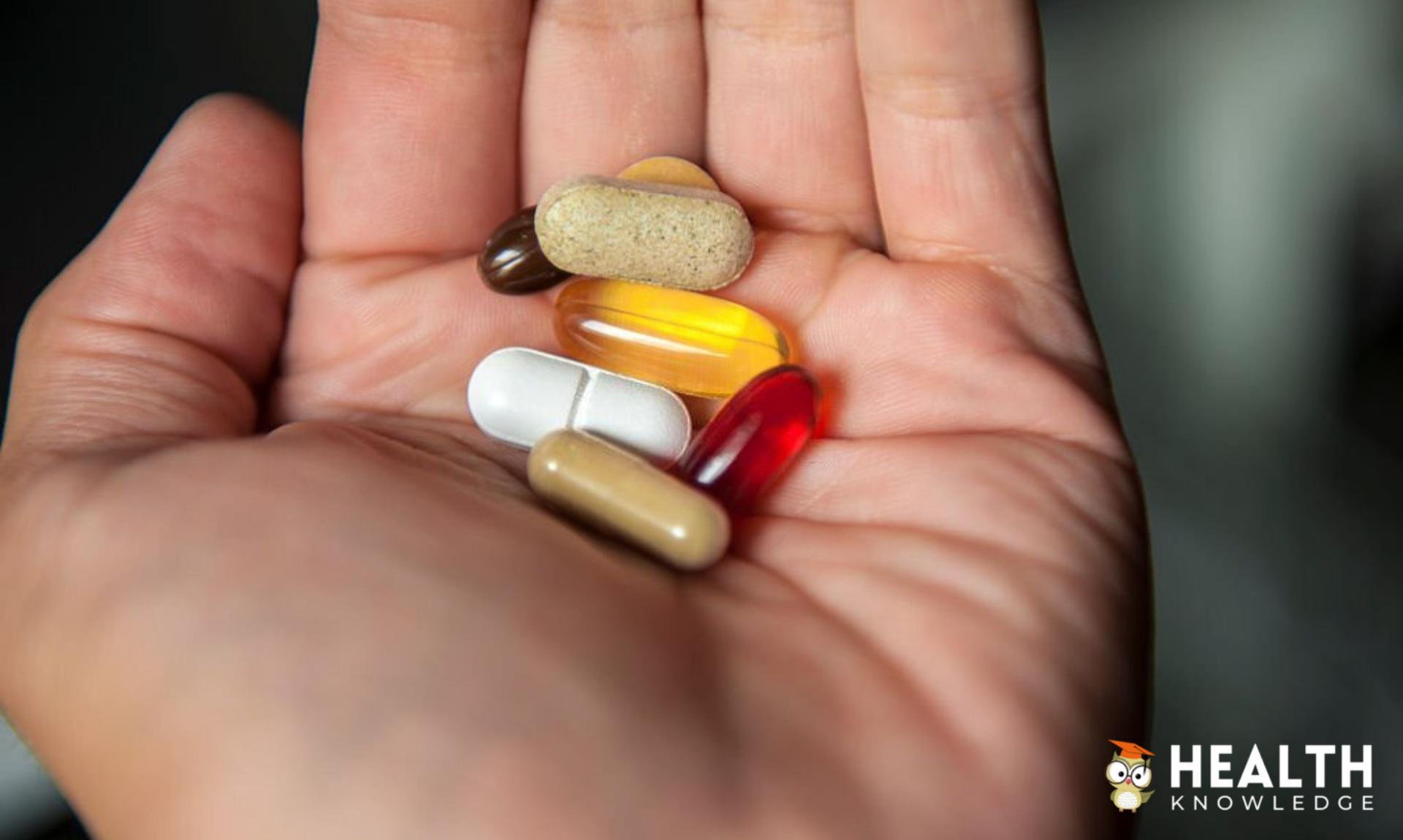
Understanding Dietary Supplements: Benefits and Considerations
Introduction: Unveiling the World of Dietary Supplements
“Supplements are not a substitute for a balanced diet, but they can complement it.”
Dietary supplements have become increasingly popular in the quest for better health and well-being. They offer a convenient way to obtain essential nutrients that may be lacking in one’s diet. In this comprehensive guide, we’ll dive into the world of dietary supplements, exploring their benefits, efficacy, and potential risks. Understanding these factors will help you make informed decisions about incorporating dietary supplements into your wellness routine.
1. What You Need to Know: An Overview of Dietary Supplements
“Knowledge is power when it comes to supplements.”
Before delving into the world of dietary supplements, it’s crucial to understand what they are and how they can impact your health positively. Supplements come in various forms, including vitamins, minerals, herbs, and other natural compounds, each with specific purposes and potential benefits. By gaining insight into the different types of supplements and their potential impacts, you can make well-informed choices that align with your health goals. Equipped with knowledge, you can confidently select supplements that complement your diet, address specific health needs, and support your overall well-being.
2. Benefits of Dietary Supplements: Beyond Filling Nutritional Gaps
Providing General Wellness Support: Nourishing Your Body from Within
Taking a proactive approach to your health involves providing general wellness support to your body. This includes adopting a balanced diet, engaging in regular physical activity, staying adequately hydrated, managing stress, and getting enough rest. By nourishing your body from within and prioritizing overall well-being, you can strengthen your immune system, boost energy levels, and enhance your body’s natural ability to maintain optimal health.
Addressing Specific Health Issues: Targeted Support for Individual Needs
Every individual has unique health requirements, and addressing specific health issues involves tailoring support to meet individual needs. This may include seeking medical advice and treatments for existing health conditions, managing chronic illnesses, or addressing specific nutritional needs. By taking a targeted approach to health issues, you can work towards managing symptoms, improving quality of life, and promoting better health outcomes.
Preventing Illness or Injury: Building Resilience for Optimal Health
Proactively preventing illness or injury is essential for building resilience and maintaining optimal health. Focus on preventive measures such as vaccinations, regular health check-ups, and safety precautions in your daily life. Adopting a healthy lifestyle, including a nutritious diet and regular exercise, can significantly reduce the risk of chronic diseases and support overall well-being. By investing in prevention, you can lay the foundation for a healthier and more resilient future.
3. Efficacy of Dietary Supplements: Unraveling the Research
Observational Studies vs. Controlled Trials: Weighing the Evidence
The efficacy of dietary supplements is influenced by the type of research conducted to study their effects. Observational studies, which lack control groups, are common but may lead to skewed findings. On the other hand, controlled randomized trials provide more reliable results and often yield different outcomes compared to observational studies. Some well-known supplements, like magnesium and potassium, have been extensively researched, providing more robust data for analysis. However, newer or less-studied supplements still lack substantial evidence, leaving uncertainties about their effectiveness. Continued investigation into the effects of supplements is necessary to better understand their impact on health and make informed decisions about their use. A more comprehensive and balanced body of research will help us assess the benefits and potential risks associated with dietary supplements more accurately.
When Can’t You Get Nutrients From Your Diet? Identifying Deficiencies
In some cases, dietary supplements may be necessary to address specific nutrient deficiencies. Despite efforts to maintain a balanced diet, certain factors, such as restricted diets, medical conditions, or malabsorption issues, can lead to inadequate nutrient intake. Blood tests and consultation with a healthcare professional can help identify nutrient deficiencies and determine whether supplementation is needed. It’s essential to use supplements as directed by a healthcare provider to ensure they are effective and safe. While supplements can be beneficial in specific situations, the focus should always be on obtaining nutrients primarily through a varied and nutrient-rich diet.
4. Dietary Supplement Uses: Factors to Consider
Dietary Habits: Analyzing Your Nutritional Intake
Before incorporating dietary supplements into your routine, it’s essential to assess your dietary habits. Analyze your nutritional intake to identify any potential deficiencies or gaps in your diet. A well-balanced and varied diet that includes a wide range of fruits, vegetables, whole grains, lean proteins, and healthy fats can provide most of the essential nutrients your body needs. If you find certain nutrients lacking in your diet, supplements may be considered to bridge the gap and support overall health.
Lifestyle Factors: How Your Daily Routine Impacts Supplement Choices
Consider your lifestyle when choosing dietary supplements. Factors like age, activity level, stress levels, and exposure to environmental factors can influence your nutritional needs. For example, athletes may benefit from supplements that support performance and recovery, while individuals with busy schedules may need supplements that enhance energy and stress management. Tailoring your supplement choices to align with your lifestyle can optimize their effectiveness and relevance to your specific needs.
Physical Considerations: Health Conditions and Special Nutritional Needs
Your physical health and any existing health conditions play a crucial role in determining supplement use. Some health conditions may lead to nutrient deficiencies, making supplementation necessary for managing the condition and promoting overall well-being. Special nutritional needs, such as during pregnancy or lactation, may also require specific supplements. It’s essential to consult with a healthcare professional to identify any potential nutrient deficiencies and determine whether supplements are appropriate and safe for your unique health situation.
Personal Health History: Understanding Your Unique Requirements
Your personal health history provides insights into your unique nutritional requirements. Factors like past illnesses, surgeries, or medications can affect nutrient absorption and utilization. Additionally, family health history may indicate certain genetic predispositions that require specific nutrients for prevention or management. By understanding your personal health history, you can make more informed decisions about dietary supplements and tailor them to meet your individual health needs effectively. Regular communication with healthcare providers is vital to ensure that supplements are suitable and beneficial for your specific health profile.
5. Dietary Supplement Risks: Understanding Potential Concerns
Dietary Supplement Side Effects and Adverse Reactions: Knowing the Risks
Like any health intervention, dietary supplements come with potential risks. It’s crucial to be aware of possible side effects and adverse reactions associated with certain supplements. Some individuals may experience gastrointestinal discomfort, headaches, or allergic reactions when using specific supplements. Understanding the potential risks can help you make informed decisions and seek medical advice if you encounter any concerning symptoms.
Side Effects: Identifying Unwanted and Temporary Responses
Certain dietary supplements may cause side effects, but it’s essential to distinguish between unwanted

but temporary responses and more severe adverse reactions. Mild side effects, such as mild digestive discomfort or changes in urine color due to certain vitamins, are generally harmless and tend to resolve on their own. However, if you experience persistent or severe side effects, discontinue the supplement and consult a healthcare professional.
Allergic Reactions: Recognizing Sensitivities to Supplement Ingredients
Some individuals may be sensitive to specific ingredients in dietary supplements, leading to allergic reactions. Common allergens in supplements include soy, gluten, shellfish, and certain herbs. If you have known allergies or sensitivities, carefully read supplement labels and avoid products containing potential allergens. If you suspect an allergic reaction, discontinue the supplement immediately and seek medical attention if needed.
Overdosing: The Dangers of Exceeding Recommended Dosages
Taking excessive amounts of certain supplements can lead to overdosing, which can be harmful to your health. High doses of vitamins, minerals, or herbal supplements may cause toxicity and adverse effects. Always follow the recommended dosages provided on the supplement’s label or as advised by a healthcare professional. Avoid the misconception that “more is better” with supplements, as it may lead to serious health consequences.
Complications with Existing Medical Conditions: When Caution is Necessary
Individuals with pre-existing medical conditions need to exercise caution when using dietary supplements. Certain supplements may interact with medications or exacerbate specific health conditions. It’s crucial to consult with a healthcare professional before starting any new supplement regimen, especially if you have chronic health issues or take prescription medications.
Interactions with Drugs or Other Supplements: Being Mindful of Combinations
Some dietary supplements can interact with prescription medications or other supplements. These interactions may reduce the effectiveness of medications or lead to adverse effects. Always inform your healthcare provider about all the supplements you’re taking, including vitamins, minerals, herbal products, and other dietary supplements. This information will help ensure safe and appropriate use of supplements alongside any prescribed medications.
6. Precautions: Seek Professional Guidance
“Your doctor is your partner in health.”
Before incorporating any supplements into your routine, it is essential to consult with a qualified healthcare professional. Your doctor can assess your health status, medical history, and individual needs to determine the safety and appropriateness of specific supplements for you. They can also provide personalized recommendations based on evidence-based research and help you avoid potential interactions with medications or existing health conditions. By working together with your doctor, you can make informed decisions about dietary supplements that align with your health goals and contribute to your overall well-being. Remember, your health is unique, and a collaborative approach with your healthcare provider ensures that any supplement choices are tailored to your individual needs and circumstances.
To Put It Simply: Nurturing Your Well-being with Knowledge
“Supplements can enhance your wellness journey, but knowledge is your guiding light.”
Supplements can play a valuable role in supporting your wellness journey, but it’s crucial to be well-informed. Knowledge serves as your guiding light, allowing you to navigate the vast array of dietary supplements with confidence. By understanding the benefits, efficacy, and potential risks associated with different supplements, you can make informed choices that align with your health goals and needs. Armed with knowledge, you can optimize the impact of supplements on your overall well-being and enhance your pursuit of optimal health. Remember that consulting with healthcare professionals and staying up-to-date with reliable sources of information will further empower you on your path to a healthier and more fulfilling life.



news via inbox
Nulla turp dis cursus. Integer liberos euismod pretium faucibua