Meal Planning Made Easy: A Step-by-Step Guide for Beginners
Your Path to Stress-Free Meal Planning
“Invest in your health by investing in your meals.”
Meal planning is a transformative practice that can revolutionize the way you approach food, time management, and overall wellness. By taking the guesswork out of what to eat and when to eat it, you’ll find yourself enjoying delicious and balanced meals without the last-minute hassle. In this comprehensive guide, we’ll walk you through the process of meal planning step-by-step, providing tips, tools, and recipe ideas to get you started on your journey to stress-free cooking.
1. What Is Meal Planning?
“Meal planning: Where nourishment meets organization.”
Meal planning involves prepping and organizing your meals in advance, typically for a week or more. It helps you make mindful choices, save time, reduce food waste, and achieve your health and nutrition goals.
2. Why Meal Plan? The Benefits of Meal Prepping
Economical and Budget-Friendly: Save Money by Buying Smart
Making smart choices while grocery shopping can significantly impact your budget. Opt for seasonal and locally available produce, as they tend to be more affordable and fresher. Buying in bulk and planning meals ahead can also save you money. By being mindful of your purchases, you can create a nutritious and cost-effective meal plan that supports your well-being without breaking the bank.
Time-Saving: Say Goodbye to Last-Minute Dilemmas
Meal planning and preparation can save you valuable time in your busy schedule. By planning your meals for the week and prepping ingredients in advance, you can avoid last-minute dilemmas and hurried cooking sessions. This time-saving approach allows you to enjoy healthier and more balanced meals without feeling overwhelmed by daily cooking decisions.
Healthier Choices: Opt for Nutrient-Dense and Balanced Meals
Meal planning promotes healthier eating habits. By preparing balanced meals in advance, you can ensure you include a variety of nutrient-dense foods, such as fruits, vegetables, lean proteins, and whole grains. This intentional approach to food selection supports your overall health and well-being by providing your body with the essential nutrients it needs.
Reduced Food Waste: Use Ingredients Strategically
Meal planning helps minimize food waste by using ingredients strategically. By buying only what you need for planned meals and finding creative ways to use leftovers, you can reduce unnecessary food waste and save money. This sustainable approach to meal preparation contributes to a more environmentally friendly lifestyle while also benefiting your wallet.
3. Essential Tools for Meal Planning
Food Storage Containers: Keeping Your Meals Fresh and Portable
Investing in high-quality food storage containers is essential for keeping your prepared meals fresh and easily portable. Look for containers that are leak-proof and microwave-safe, making them ideal for taking your homemade lunches to work or school. With these containers, you can maintain the quality and taste of your meals, ensuring you always have a nutritious option at your fingertips.
A Lunch Box: Perfect for On-the-Go Meals and Snacks
A lunch box is a practical and stylish accessory for carrying your meals and snacks when you’re on the move. Whether you’re heading to work, traveling, or simply out and about, a lunch box helps you stay prepared with wholesome food choices. Look for insulated options to keep your meals at the right temperature and compartments to separate different items conveniently.
A Meal-Planning App: Digital Support for Organized Eating
Meal-planning apps offer digital support to streamline your meal preparation. These apps allow you to schedule your meals, create shopping lists, and explore new recipes all in one place. With access to nutritional information and personalized meal plans, you can make informed choices and stay organized on your culinary journey.
Meal-Planning Journal: Writing Down Your Culinary Adventures
A meal-planning journal provides a tangible way to document your culinary adventures and track your progress. Use it to jot down your favorite recipes, meal ideas, and reflections on your eating habits. This journal becomes a source of inspiration, helping you stay committed to your healthy eating goals and offering a creative outlet for your meal planning journey.
4. Grocery Shopping Tips for Meal Preppers
Make a List: Stick to Your Meal Plan and Avoid Impulse Buys
Creating a meal plan and making a shopping list based on it can help
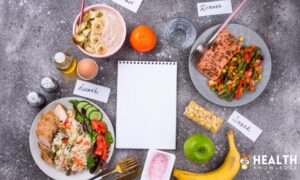
you stay focused on your nutritional goals and avoid unnecessary purchases. Stick to your list while grocery shopping to reduce the temptation of impulse buys and ensure you have all the ingredients you need for your planned meals.
Hit the Frozen Food Section: Stock Up on Convenient Frozen Veggies
Frozen vegetables are a great addition to your shopping list as they are often just as nutritious as fresh ones and have a longer shelf life. Stock up on a variety of frozen veggies, such as broccoli, peas, and spinach, to have convenient options for quick and easy meals.
Go for Canned Foods: Quick and Easy Protein and Veggie Options
Canned foods, such as beans, chickpeas, and canned tomatoes, offer convenient sources of protein and veggies. They are perfect for adding to salads, soups, and stews. Choose low-sodium options when possible and always rinse canned beans to reduce sodium content.
Splurge on Convenience Items: Pre-cut Fruits and Pre-cooked Proteins
While some convenience items may be pricier, they can save you time and effort in the kitchen. Consider splurging on pre-cut fruits and vegetables for snacks and pre-cooked proteins like grilled chicken or roasted tofu for quick meal assembly. These items can help you stay on track with your meal plan, even on busy days.
5. Prep Ahead: Streamlining Your Meal Preparation
Fruits and Vegetables: Wash, Chop, and Store for Easy Access
Prepping fruits and vegetables in advance can save you time and encourage healthier snacking and meal choices. Wash and chop your favorite fruits and veggies, then store them in portioned containers in the refrigerator. Having these ready-to-eat options on hand makes it convenient to grab a nutritious snack or add them to meals throughout the week.
Whole Grains: Batch-Cook and Freeze for Convenient Meal Bases
Batch-cooking whole grains like brown rice, quinoa, or barley can be a time-saving strategy. Cook a large quantity and store it in individual or family-sized portions in the freezer. When you need a quick and nutritious meal base, simply thaw and reheat the grains, and you’ll have a versatile foundation for salads, bowls, and stir-fries.
Meat and Meat Alternatives: Cook and Divide for Ready-to-Use Protein
Cooking meats or meat alternatives in bulk can simplify meal preparation. Grill, bake, or sauté your preferred protein sources like chicken, tofu, or lentils, and then portion them into serving sizes. Refrigerate or freeze these ready-to-use protein portions, making it easier to assemble balanced meals quickly without the need for extensive cooking time.
6. Meal Planning Recipes: Delicious and Nutritious Ideas
Breakfast: Overnight Oats and Smoothie Bowls
Kickstart your day with nutritious and time-saving breakfast options. Prepare overnight oats the night before by combining oats, milk or yogurt, and your favorite toppings like fruits and nuts. In the morning, you’ll have a delicious and filling breakfast ready to enjoy. Alternatively, try smoothie bowls with blended fruits, vegetables, and yogurt, topped with granola and seeds for added crunch and nutrition.
Lunch: Mason Jar Salads and Wraps
For a convenient and customizable lunch, assemble mason jar salads with layers of fresh greens, protein (chicken, tofu, or beans), veggies, and dressing. Seal the jar and refrigerate until ready to eat. When it’s lunchtime, shake the jar, and you’ll have a delicious and satisfying salad. Wraps are also quick and easy; fill whole-grain tortillas with your favorite fillings like grilled vegetables, hummus, and avocado for a portable and nutritious lunch.
Dinner: One-Pan Chicken and Veggie Bake
Simplify dinner preparation with a one-pan chicken and veggie bake. Season chicken breasts and place them on a baking sheet alongside a mix of colorful vegetables like bell peppers, zucchini, and carrots. Drizzle with olive oil, sprinkle with herbs, and roast everything in the oven. This fuss-free meal is not only delicious but also provides a well-rounded combination of protein and veggies.
Snacks: Energy Bites and Veggie Sticks with Hummus
Keep your energy levels up with homemade energy bites made from oats, nuts, dates, and your favorite add-ins like dark chocolate or dried fruits. Store them in the fridge for a quick and satisfying snack. For a savory option, prepare veggie sticks like carrots, cucumbers, and bell peppers and pair them with hummus for a nutritious and flavorful snack. These snacks are ideal for satisfying hunger between meals or refueling after a workout.
Wrapping Up: Savor the Benefits of Meal Planning
“Meal planning: Your recipe for a healthier, happier you.”
With meal planning, you can take control of your diet and create a positive impact on your lifestyle. Enjoy the benefits of stress-free cooking, nourishing meals, and more time for the things you love.



news via inbox
Nulla turp dis cursus. Integer liberos euismod pretium faucibua