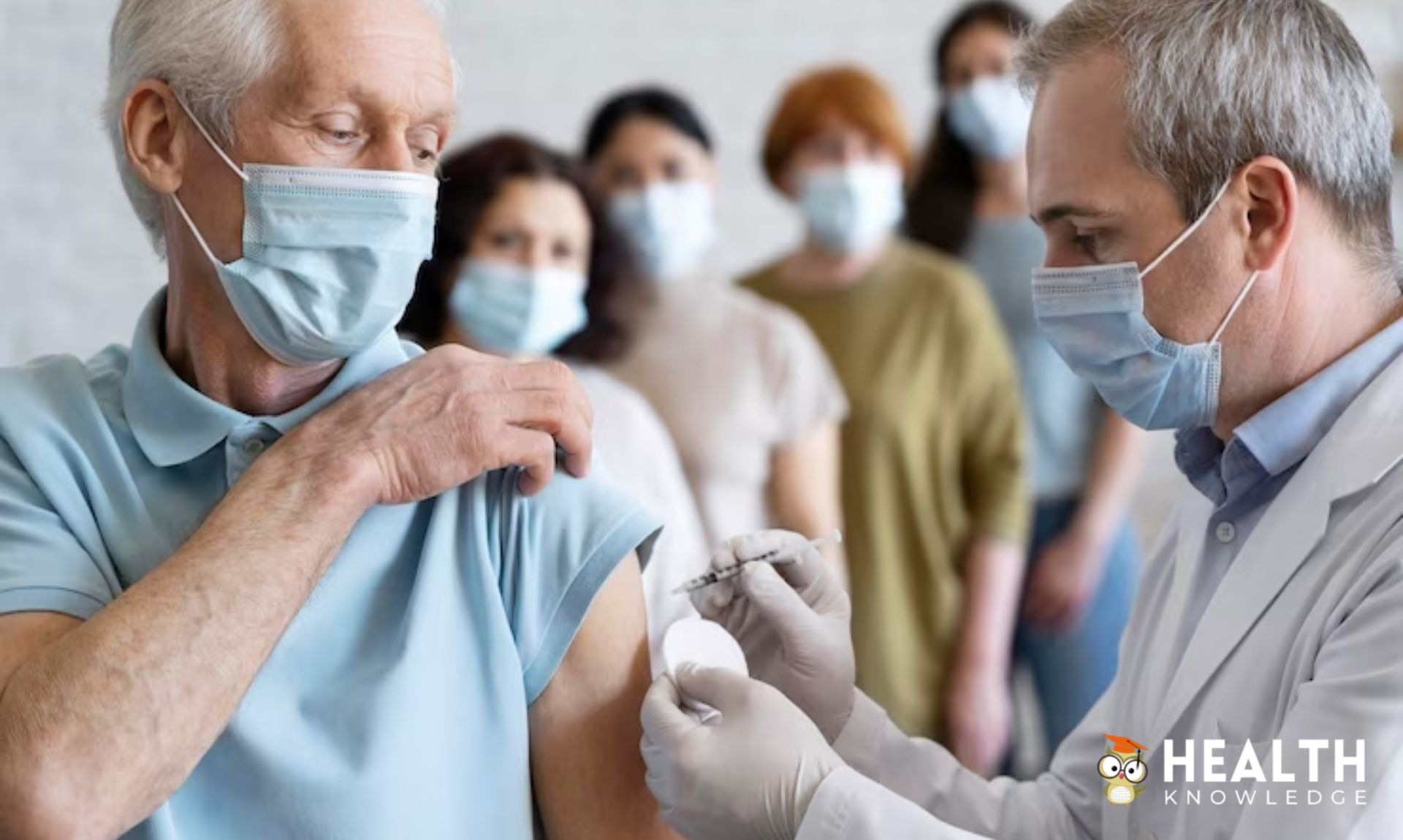
The Power of Vaccinations: How Immunizations Have Transformed Public Health
Introduction: The Evolution of Immunizations
Vaccinations, a cornerstone of modern medicine, have revolutionized public health by preventing and controlling the spread of infectious diseases. These remarkable medical tools harness the body’s natural immune response, shielding individuals and entire communities from a range of illnesses. As we delve into the world of immunizations, we’ll explore their significance, the science behind them, their impact on public health, and how historical outbreaks have shaped our approach to disease prevention.
Understanding Vaccines and Immunity
Vaccines are clever tools that help our immune system remember harmful germs without making us sick. When we get a vaccine, it’s like a practice run for our defenses. Our immune system notices unique signs on the surface of these germs and springs into action. It creates special soldiers called antibodies, which stay on guard in our bloodstream. If those same germs try to attack in the future, these antibodies are ready to jump into action and stop them in their tracks. This process sets up a kind of immune memory, arming our body to fight off these intruders quickly and stop diseases from taking hold.
Vaccines have changed the game in medicine, preventing diseases that used to be really dangerous. They’ve helped control and even wipe out serious illnesses like polio and measles. By tapping into our body’s natural ability to learn and adapt, vaccines have turned things around against germs that used to cause big problems. This mix of science smarts and our body’s own defenses shows how medical progress can keep us healthier and make whole communities stronger.
Inclusive Protection: Who Benefits From Vaccinations
Vaccinations are typically a reliable and successful method of safeguarding the health of most people. They provide a crucial shield against various illnesses and play a pivotal role in public health efforts. However, like any medical intervention, there are exceptional situations where certain individuals should proceed with caution. This particularly applies to those who grapple with severe allergies or have immune systems that aren’t functioning at their best. For them, some vaccines might not be the best choice due to potential risks. In these uncommon cases, medical experts take on a proactive role, collaborating closely with these individuals to devise alternate strategies for safeguarding their well-being.
These instances emphasize the significance of personalized healthcare. Each person’s medical circumstances are unique, and there’s no one-size-fits-all approach when it comes to health protection. When someone’s immune system is compromised or they face severe allergic reactions, a tailored plan becomes crucial. Medical professionals step in to carefully assess the situation, considering the individual’s medical history, current health status, and potential risks. Together with the patient, they craft an alternative path to bolster protection against diseases, potentially involving specialized treatments or modified vaccination schedules. This emphasis on individualized healthcare underscores the commitment to ensuring the best possible outcomes for each person, even in situations that deviate from the norm.
Balancing Act: Weighing Vaccine Benefits and Risks
Just like any medical procedure, vaccines come with the possibility of causing some side effects. Fortunately, the majority of these effects are generally mild and short-lived, often presenting as minor discomfort such as a bit of tenderness where the injection was given or a slight increase in body temperature. These transient reactions are typically signs that the immune system is responding to the vaccine, gearing up to build defenses against potential threats.
While it’s true that exceptionally uncommon instances of more severe side effects can occur, it’s important to view these occurrences within the broader context of the immense advantages that vaccines offer. Vaccinations are powerful tools in our medical arsenal, acting as potent shields against illnesses that have the potential to be extremely dangerous, or even fatal. When considering the decision to vaccinate, it’s crucial to weigh the very low risk of serious side effects against the substantial benefits that these vaccines provide in thwarting the spread of diseases that could otherwise pose significant risks to public health. In essence, the overall protection and lives saved through widespread vaccination efforts far outweigh the potential drawbacks, reinforcing the pivotal role of vaccines in safeguarding individual and collective well-being.
“The risks of serious complications from vaccines are extremely low, and the benefits of preventing deadly diseases far outweigh any potential drawbacks.”
Safeguarding the Collective: Herd Immunity and Community Health
Vaccinations hold a remarkable ability: they play a vital part in creating what’s known as herd immunity. This concept is like a shield that forms when a substantial number of people within a community get vaccinated against a particular disease. As more individuals become immune through vaccination, the disease finds it much harder to spread from person to person. This protective effect extends beyond those who have been immunized; it safeguards individuals who can’t receive vaccines due to medical reasons, like allergies or weakened immune systems. By reducing the opportunities for the disease to jump from one person to another, the entire community benefits, effectively halting the chain of transmission.
This collective defense strategy highlights a crucial lesson about health – that our well-being is intricately linked to the health of those around us. When we choose to get vaccinated, we’re not only safeguarding ourselves but also fulfilling a responsibility to protect the broader community. This interconnectedness underscores the idea that health isn’t just an individual concern; it’s a shared commitment to look out for one another. By bolstering herd immunity through widespread vaccination, we’re demonstrating a collective commitment to minimize the impact of diseases, and in doing so, we’re working together to create a healthier and safer environment for everyone.
“Herd immunity safeguards not only the vaccinated individuals but also those who cannot receive vaccines due to medical conditions, reinforcing the idea that protecting our communities is a shared duty.”
Learning from History: The Impact of Vaccination Efforts
Throughout history, there have been remarkable moments that spotlight the incredible strength of vaccination, reshaping the destinies of entire communities and civilizations. A notable turning point occurred in the 1940s when a relentless outbreak of smallpox threatened lives across continents. The introduction of an exceptionally effective smallpox vaccine marked a game-changing shift, eventually wiping out this deadly disease in 1980. This monumental feat, achieved through widespread vaccination campaigns and international collaboration, serves as a clear example of how immunizations can truly transform the course of events.
The impact of success was felt in the fight against polio, a disease that once cast a pervasive shadow of fear over families worldwide. In the face of devastating polio outbreaks, vaccines emerged as a beacon of hope. The creation of safe and potent polio vaccines fueled a global movement that has brought polio to the brink of extinction. This victory underscores the enduring influence of vaccination efforts, rallying communities and nations to protect the well-being of future generations.

Yet, amid these victories, history’s lessons remind us of the unyielding nature of infectious diseases. The resurgence of measles, previously believed to be under control, highlights the delicate balance between progress and vigilance. However, these challenges underscore the vital importance of vaccination. Through comprehensive
vaccination strategies and public health initiatives, measles outbreaks have been quashed, demonstrating vaccination’s ability to stifle resurgence and prevent unnecessary suffering.
Most recently, the world confronted an unprecedented adversary: the COVID-19 pand
emic. The urgent call for a vaccine against the novel coronavirus spurred unparalleled scientific collaboration and ingenuity. In record time, multiple vaccines were developed, each a testament to human determination and the potential of medical progress. These vaccines have become essential tools in our collective battle against the pandemic, showcasing how history’s lessons have shaped our response to modern crises.
As we journey through the pages of history, we witness the immense influence of vaccination efforts on public health. From the smallpox challenges of the 1940s to the victories over polio, the resurgence of measle
s, and the global fight against COVID-19, each chapter unveils the resilience of the human spirit and the unwavering power of vaccines. These stories light the way forward, urging us to continue championing immunizations as a fundamental pillar of a healthier, safer world.
Conclusion: A Collective Responsibility for a Healthier Future
Vaccinations have played an integral role in transforming public health, shielding individuals and communities from preventable diseases. The power of immunizations lies not only in th
eir scientific prowess but in the unity they foster within society. As we embrace the lessons of history and advance medical knowledge, we pave the way for a healthier, more resilient future for all.




news via inbox
Nulla turp dis cursus. Integer liberos euismod pretium faucibua