Understanding Hypertension: Causes, Symptoms, and Risk Factors
“The greatest wealth is health.” — Virgil
Hypertension, often referred to as high blood pressure, is a medical condition that affects millions of people worldwide. Despite its prevalence, many individuals are unaware of the risks associated with this “silent killer.” In this comprehensive guide, we will delve into the intricacies of hypertension, examining its causes, symptoms, and risk factors. By understanding this condition better, we can take steps toward prevention and early intervention.
What is Hypertension?
“The greatest glory in living lies not in never falling, but in rising every time we fall.” — Nelson Mandela
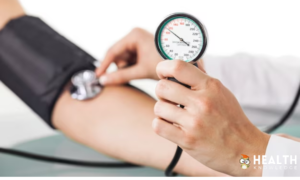
Hypertension is a chronic medical condition characterized by elevated blood pressure in the arteries. Blood pressure is the force of blood pushing against the walls of the arteries as the heart pumps it around the body. It is typically measured in millimeters of mercury (mmHg) and consists of two values: systolic pressure (the pressure during a heartbeat) and diastolic pressure (the pressure between heartbeats).
Normal blood pressure is typically around 120/80 mmHg. Hypertension is diagnosed when a person consistently has a blood pressure reading of 130/80 mmHg or higher. It’s often called the “silent killer” because it usually presents no symptoms until it causes severe health complications.
Causes of Hypertension
“Health is not valued till sickness comes.” — Thomas Fuller
Understanding the causes of hypertension is crucial in managing and preventing this condition. Several factors can contribute to high blood pressure:
Lifestyle Choices:
Unhealthy lifestyle choices, such as a diet high in sodium, low physical activity levels, excessive alcohol consumption, and smoking, can contribute to hypertension.
Genetics:
A family history of hypertension can increase your risk, suggesting a genetic predisposition to the condition.
Obesity:
Excess body weight places additional strain on the heart and can lead to elevated blood pressure.
Chronic Stress:
Prolonged stress can affect the body’s hormone balance and lead to hypertension.
Underlying Medical Conditions: Conditions like kidney disease, diabetes, and hormonal disorders can contribute to high blood pressure.
Symptoms of Hypertension
“Your body hears everything your mind says.” — Naomi Judd
Hypertension is often called a “silent killer” because it rarely presents noticeable symptoms in its early stages. Many people may have high blood pressure for years without realizing it. However, as the condition progresses and blood pressure continues to rise, some individuals may experience symptoms such as:
- Headaches: Severe, recurring headaches can be a symptom of hypertension.
- Fatigue: Feeling tired or having low energy levels is common in individuals with high blood pressure.
- Vision Problems: Hypertension can damage blood vessels in the eyes, leading to vision changes or even vision loss.
- Chest Pain: Severe hypertension can cause chest pain or discomfort, often due to an increased workload on the heart.
- Difficulty Breathing: In extreme cases, hypertension can lead to difficulty breathing and fluid retention in the lungs.
It’s essential to note that these symptoms are not exclusive to hypertension and may also indicate other health issues. Regular blood pressure monitoring is crucial to detect hypertension early.
“Take care of your body; it’s the only place you have to live.” — Jim Rohn
Several risk factors can increase your chances of developing hypertension. Recognizing these factors can help you take preventive measures and manage your blood pressure effectively:
- Age: Hypertension becomes more common as individuals age. The risk of developing high blood pressure increases after the age of 35.
- Family History: A family history of hypertension raises your risk.
- Race: Certain ethnic groups, such as African Americans, have a higher prevalence of hypertension.
- Obesity: Being overweight or obese significantly increases the risk of hypertension.
- Unhealthy Diet: A diet high in salt, saturated fats, and processed foods can contribute to high blood pressure.
- Physical Inactivity: A sedentary lifestyle is a significant risk factor for hypertension.
- Smoking and Alcohol: Both smoking and excessive alcohol consumption can elevate blood pressure.
- Chronic Stress: High levels of stress can contribute to hypertension.
By recognizing these risk factors, you can make informed decisions about your lifestyle and health, reducing your risk of developing hypertension.
Conclusion
“The groundwork of all happiness is health.” — Leigh Hunt
Hypertension is a common but often overlooked health condition with potentially severe consequences. Understanding its causes, symptoms, and risk factors is the first step toward effective prevention and management. Regular blood pressure monitoring, a healthy lifestyle, and timely medical intervention can help control high blood pressure and reduce the risk of associated health complications. Prioritizing your health by taking action against hypertension is a crucial step toward a longer and healthier life.



news via inbox
Nulla turp dis cursus. Integer liberos euismod pretium faucibua