Understanding Digestive Health: How Your Gut Impacts Overall Well-being
“All disease begins in the gut.” — Hippocrates
Digestive health is a cornerstone of overall well-being, yet it’s a topic often overlooked in daily life. Your digestive system plays a pivotal role in processing the food you eat, extracting nutrients, and eliminating waste. However, it’s not just about digestion; the health of your gut impacts everything from your immune system to your mental health. In this comprehensive guide, we’ll delve into the intricacies of digestive health, examining the digestive system, its profound importance, common digestive issues, and practical tips for maintaining a healthy gut.
The Digestive System: A Complex Network
“The digestive system is your body’s engine, and its efficiency affects every aspect of your health.” — Dr. Michael F. Picco
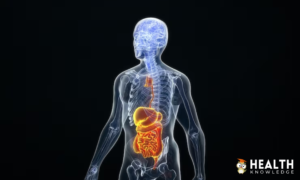
The digestive system is an intricate network of organs and processes that work together to break down food into nutrients the body can use. It consists of several key components:
- Mouth: Digestion begins in the mouth, where enzymes in saliva start to break down carbohydrates.
- Esophagus: The esophagus carries food to the stomach via a series of muscle contractions.
- Stomach: The stomach secretes gastric juices containing enzymes and acid to further break down food and kill harmful bacteria.
- Small Intestine: Most nutrient absorption occurs in the small intestine, thanks to specialized structures called villi and microvilli.
- Liver and Pancreas: These organs produce bile and digestive enzymes that aid in breaking down fats and proteins.
- Large Intestine (Colon): The colon absorbs water and electrolytes and forms and expels feces.
- Gut Microbiome: The gut is home to trillions of microorganisms collectively known as the gut microbiome, which plays a crucial role in digestion and overall health.
The Gut-Body Connection
“The gut-brain connection is real. Your gut health can influence your mood, stress levels, and cognitive function.” — Dr. Emeran Mayer
Your gut, often called the “second brain,” is not just responsible for digestion but also significantly impacts your overall health. Here’s how it connects to various systems in your body:
Immune System:
Your gut houses a substantial part of your immune system. A healthy gut microbiome supports your immune function, helping fend off infections and illnesses.
Brain Health:
Through the gut-brain axis, your gut communicates bidirectionally with your brain. Changes in gut health can affect your mood, stress levels, and even cognitive abilities.
Nutrient Absorption:
A well-functioning digestive system ensures your body absorbs vital nutrients necessary for overall health and maintaining energy levels.
Metabolism:
Gut health has a role in metabolism and weight management, impacting your vulnerability to obesity and related health issues.
Inflammation:
Chronic gut inflammation is linked to several diseases, including autoimmune conditions and specific cancers.
Digestive Disorders:
Imbalances in the gut microbiome can contribute to digestive problems like irritable bowel syndrome (IBS) and inflammatory bowel disease (IBD). It’s essential to care for your gut’s health as it plays a pivotal role in your overall well-being.
Common Digestive Issues
“Digestive issues are not uncommon, but understanding them is the first step toward effective management.” — Dr. Michael F. Picco
Digestive issues can impact anyone, and they encompass a range of conditions that can significantly affect your well-being. Some of the most common digestive problems include:
Acid Reflux:
This condition, often marked by heartburn, occurs when stomach acid flows back into your esophagus, leading to discomfort and irritation. It can result from a weakened lower esophageal sphincter (LES) or other factors like obesity and certain foods.
Irritable Bowel Syndrome (IBS):
IBS is a chronic gastrointestinal disorder characterized by symptoms such as abdominal pain, bloating, and changes in bowel habits. While the exact cause of IBS is unclear, it’s believed to involve issues with the gut-brain axis and gut motility.
Inflammatory Bowel Disease (IBD):
IBD comprises conditions like Crohn’s disease and ulcerative colitis, which involve chronic inflammation of the digestive tract. These conditions can lead to severe discomfort, diarrhea, and complications like intestinal strictures.
Celiac Disease:
Celiac disease is an autoimmune disorder triggered by the consumption of gluten, a protein found in wheat, barley, and rye. In individuals with celiac disease, gluten consumption damages the lining of the small intestine, leading to malabsorption of nutrients.
Constipation:
When you experience infrequent bowel movements or have difficulty passing stool, it can result in abdominal discomfort and a feeling of incomplete emptying. Various factors, including a lack of fiber, dehydration, and certain medications, can contribute to constipation.
Diarrhea:
Frequent loose or watery stools characterize diarrhea, which can arise from various causes such as infections, food intolerances, or conditions like irritable bowel syndrome. It can lead to dehydration and electrolyte imbalances if not managed.
Gallstones:
These are hardened deposits that form in the gallbladder, causing pain and digestive discomfort, particularly after consuming fatty meals. Gallstones can block the bile duct and lead to complications like inflammation and infection of the gallbladder.
Digestive problems can vary widely in their symptoms and underlying causes, making it essential to seek medical attention if you experience persistent or severe digestive issues. Understanding these common conditions is the first step toward effective management and relief.
Tips for a Healthy Gut
“Your lifestyle choices play a significant role in maintaining a healthy gut.” — Dr. Emeran Mayer
Maintaining digestive health is integral to your overall well-being, and several lifestyle choices can significantly contribute to a healthy gut and digestive system. Here are some key practices to support your digestive health:
Balanced Diet:
Nourishing your body with a balanced diet is fundamental. Incorporate plenty of fiber-rich foods like whole grains, fruits, and vegetables into your meals. Additionally, consider including fermented foods like yogurt, which can introduce beneficial probiotics to your gut microbiome, fostering diversity.
Stay Hydrated:
Proper hydration is essential for the digestive process. Drinking an adequate amount of water helps keep your digestive system functioning optimally, preventing issues like constipation.
Regular Exercise:
Engaging in regular physical activity can promote healthy digestion. Exercise supports regular bowel movements and overall gut health. Even moderate activities like walking can make a significant difference.
Manage Stress:
Chronic stress can disrupt the gut-brain axis, potentially leading to digestive problems. Employ stress management techniques such as mindfulness, meditation, or yoga to reduce stress levels and promote gut health.
Limit Antibiotics:
While antibiotics are crucial for treating bacterial infections when prescribed by a healthcare provider, it’s important not to overuse them. Excessive antibiotic use can disrupt the balance of your gut microbiome. Only take antibiotics when necessary and as directed by your healthcare professional.
Avoid Smoking and Excessive Alcohol:
Smoking and excessive alcohol consumption can harm the digestive system. These habits can increase the risk of conditions like acid reflux and gastritis. Quitting smoking and moderating alcohol intake can have a positive impact on digestive health.
Get Enough Sleep:
Establishing a regular sleep schedule is vital for overall health, including gut health. Quality sleep supports various bodily functions, including those related to digestion.
Prioritizing these lifestyle practices can go a long way in promoting a healthy digestive system and ensuring your overall well-being. Making these choices can lead to improved digestion, increased energy levels, and enhanced overall health.
Conclusion
“The gut is the gateway to health; this is where every disease begins and potentially ends.” — Dr. Alessio Fasano
Your digestive health is a critical component of your overall well-being. Understanding the digestive system, its profound influence on various bodily functions, and common digestive issues empowers you to make informed choices for a healthier gut. By adopting a balanced diet, managing stress, staying hydrated, and making other lifestyle adjustments, you can support your digestive system’s health and enjoy the numerous benefits of a well-functioning gut.



news via inbox
Nulla turp dis cursus. Integer liberos euismod pretium faucibua