Understanding Environmental Health Risks: How the Environment Impacts Our Well-being
“The health of the environment is the health of the people.” — Barry Commoner
In the modern age, our health is not solely determined by our genetics, lifestyle, or access to healthcare. The environment in which we live, work, and play plays a significant role in our well-being. Environmental health is a field that examines how our surroundings impact our physical and mental health. It encompasses various factors, from air and water quality to the built environment and climate change. In this comprehensive guide, we will explore the intricate relationship between environmental factors and human health, shedding light on the health risks posed by our surroundings and strategies to mitigate them.
Air Quality and Respiratory Health
“Clean air is a fundamental right, and it’s crucial for our respiratory well-being.” — Dr. Brian Christman
Air pollution, primarily from vehicle emissions, industrial processes, and burning fossil fuels, is a significant environmental health concern. Exposure to air pollutants like particulate matter (PM2.5), nitrogen dioxide (NO2), and ground-level ozone (O3) can lead to respiratory problems, exacerbate asthma, and increase the risk of respiratory infections.
In order to minimize air pollution, In the first place, supporting clean energy sources and decreasing dependence on fossil fuels is paramount. This shift towards cleaner energy production reduces the emission of harmful pollutants into the atmosphere, thereby improving air quality. Additionally, promoting alternatives to individual car use, such as public transportation, carpooling, and biking, helps reduce vehicle emissions, a major contributor to air pollution. Lastly, advocating for stricter air quality regulations and actively monitoring air quality indices is essential for holding industries and policymakers accountable for maintaining cleaner and healthier air for everyone. By implementing these strategies, we can make substantial progress in reducing air pollution’s adverse effects on public health and the environment.
Water Quality and Safe Drinking Water
“Access to clean water is a human right and a cornerstone of public health.” — Dr. Mona Hanna-Attisha
Unsafe drinking water contaminated with pollutants like lead, arsenic, and bacteria can have severe health consequences. Lead exposure, in particular, can lead to developmental issues in children, while bacterial contamination can cause waterborne diseases like cholera and dysentery.
To mitigate these risks, several strategies are essential. First, it’s crucial to support water infrastructure improvements to ensure that safe drinking water is accessible to all communities. This includes updating aging water systems and addressing contamination sources promptly. Regularly testing home water sources for contaminants is another critical step in safeguarding public health. Individuals can take responsibility for their water quality by conducting tests and seeking appropriate treatments if issues are identified.
Additionally, advocating for policies and regulations that prioritize water quality and public health is vital. This includes monitoring and enforcing water quality standards and holding responsible parties accountable for contamination incidents. By implementing these mitigation strategies, we can work towards ensuring that everyone has access to clean, safe drinking water and reducing the health risks associated with waterborne pollutants.
Food Safety and Nutrition
“Healthy eating starts with safe, nutritious food.” — Dr. Marion Nestle
Foodborne illnesses, often caused by pathogens like Salmonella and E. coli, pose a significant threat to public health. Contaminated food can lead to gastrointestinal infections, dehydration, and, in severe cases, hospitalization or death.
To minimize these risks, individuals and communities can implement several strategies. Firstly, proper food handling and storage practices are essential. This includes maintaining cleanliness when preparing and cooking food, ensuring appropriate storage temperatures, and avoiding cross-contamination.
Secondly, supporting food safety regulations and inspections is crucial. These measures help ensure that food producers and vendors adhere to strict safety standards, minimizing the chances of contamination and outbreaks. In addition to this, choosing locally sourced, organic, and sustainably produced foods when possible can contribute to a safer food supply chain. Such products often undergo rigorous quality controls and are less likely to carry harmful pathogens.
By adopting these mitigation strategies and promoting food safety awareness, we can reduce the occurrence of foodborne illnesses and enhance overall public health.
Built Environment and Mental Health
“Our surroundings can shape our mental well-being.” — Dr. Esther Sternberg
The design of our communities, including access to green spaces, transportation options, and the presence of safe sidewalks and bike lanes, can influence our physical activity levels and mental health. Poorly designed urban environments can contribute to sedentary lifestyles and mental health issues like stress and depression.
To address these challenges and create healthier communities, several mitigation strategies can be pursued. Advocating for urban planning that prioritizes walkability, green spaces, and efficient public transportation is essential. This approach encourages people to walk or bike instead of relying solely on cars, fostering physical activity and reducing environmental pollution. It also promotes the creation and preservation of green areas within cities, providing natural settings that have been shown to improve mental health and reduce stress.
Additionally, individuals and communities can engage in activities that connect them with nature, whether it’s spending time in parks, participating in outdoor sports, or supporting policies that protect green spaces. Such actions not only enhance mental well-being but also contribute to environmental conservation.
Furthermore, promoting physical activity through community programs and initiatives encourages residents to lead active lifestyles. These efforts can range from organizing group exercise classes and sports events to providing accessible fitness facilities and promoting active transportation options like biking and walking.
By implementing these mitigation strategies and emphasizing the importance of well-designed urban environments, we can create communities that foster physical activity, improve mental health, and enhance the overall quality of life for their residents.
Climate Change and Health
“The healthof our planet and our health are intimately connected.” — Dr. Howard Frumkin
Climate change poses a range of health risks, from extreme weather events like hurricanes and heat waves to the spread of infectious diseases. Rising temperatures can exacerbate heat-related illnesses and allergies, while disruptions in ecosystems can lead to disease outbreaks.
To lessen these health risks associated with climate change, some strategies can be implemented. First and foremost, reducing greenhouse gas emissions is crucial. This can be achieved by supporting renewable energy sources and adopting sustainable practices in various sectors, such as agriculture, transportation, and industry. By decreasing our carbon footprint, we can help mitigate climate change and its adverse health effects.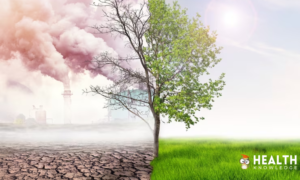
Another important approach is to prepare for climate-related health challenges through adaptation and resilience measures. This includes developing and implementing strategies to protect vulnerable populations from extreme weather events, ensuring access to clean water and sanitation during disasters, and improving the healthcare system’s capacity to respond to climate-related health threats.
Advocating for climate policies that prioritize both environmental protection and public health is essential. These policies can include regulations that reduce pollution, promote clean energy, and support sustainable land use practices. By actively participating in advocacy efforts and supporting policymakers who prioritize climate and health, individuals and communities can contribute to a healthier and more sustainable future.
Chemical Exposures and Environmental Toxins
“Chemical safety is essential for protecting human health.” — Dr. Linda S. Birnbaum
Exposure to environmental toxins, such as pesticides, heavy metals, and industrial chemicals, can have long-term health consequences. These toxins are linked to developmental disorders, neurological conditions, and certain cancers.
To reduce the health dangers linked to environmental toxins, various approaches can be put into practice. To start with, it is crucial to prioritize the funding of studies examining the safety of chemicals and their effects on health. These investigations enhance our comprehension of the hazards involved and enable the creation of successful risk reduction strategies.
On an individual level, reducing personal exposure to environmental toxins is crucial. This can be achieved by making informed choices and opting for safe and eco-friendly products in our daily lives. By using products that are free from harmful chemicals and toxins, we can reduce our own risk of exposure.
Advocacy for stricter regulations and increased transparency in chemical manufacturing is another vital strategy. By pushing for regulations that prioritize public health and safety, individuals and communities can hold industries accountable for their practices and ensure that harmful toxins are properly monitored and controlled.
Noise Pollution and Sleep
“A quiet environment is conducive to restful sleep.” — Dr. Meir Kryger
Excessive noise from sources like traffic, construction, and industrial activity can disrupt sleep patterns and lead to sleep deprivation, which is linked to a range of health issues, including cardiovascular problems and impaired cognitive function.
To address the negative consequences of noise pollution, various strategies can be employed. It is vital to advocate for noise reduction measures in urban planning as a primary step. This entails encouraging urban and community planning that considers noise pollution, aiming to minimize its impact on residents.
Individually, people can employ earplugs or white noise machines to alleviate noise disturbances, especially during sleep hours. These tools contribute to a quieter environment, promoting better sleep quality.
Furthermore, the promotion of sound sleep hygiene practices is crucial. This encompasses establishing a consistent sleep routine, creating a comfortable sleep environment, and effectively managing stress. By giving importance to sleep hygiene, individuals can improve their overall health and well-being.
Summing Up
“We do not inherit the earth from our ancestors; we borrow it from our children.” — Native American Proverb
Understanding the complex connection between the environment and human health is crucial for preserving our well-being and that of future generations. Through acknowledging environmental health risks and enacting measures to alleviate them, we can establish a healthier and more sustainable world. The well-being of our environment and the well-being of our people are profoundly interconnected, and safeguarding both is our duty.




news via inbox
Nulla turp dis cursus. Integer liberos euismod pretium faucibua