Understanding Heart Health: The Basics of Cardiovascular Function
“A healthy heart is the key to a long and vibrant life.” — Dr. Robert O. Bonow
Heart health is a topic of paramount importance as the heart serves as the powerhouse of the human body. Its continuous rhythmic beating ensures that oxygen-rich blood is pumped throughout the body, sustaining life. Understanding the intricacies of cardiovascular function, recognizing common heart conditions, and adopting a heart-healthy lifestyle are vital for maintaining your well-being. In this comprehensive guide, we will delve into the basics of heart health, examining the workings of the cardiovascular system, the impact of heart disease, and practical tips for keeping your heart in top shape.
Anatomy of the Heart
“The heart is a remarkable organ, a powerful engine that keeps the body running.” — Dr. Vincent J. Felitti
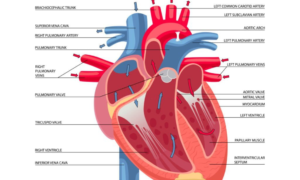
The heart is a muscular organ located in the chest, slightly left of the center. It is divided into four chambers: two atria (upper chambers) and two ventricles (lower chambers). The heart’s primary function is to pump blood throughout the body, providing oxygen and nutrients to cells while removing waste products.
Blood enters the right atrium from the body, is pumped into the right ventricle, and then into the lungs to receive oxygen. Oxygenated blood returns to the left atrium and is pumped into the left ventricle, which delivers it to the rest of the body through the aorta, the body’s largest artery.
The heart’s rhythmic contractions are coordinated by electrical signals generated in the sinoatrial (SA) node, often referred to as the “natural pacemaker” of the heart. These electrical signals regulate the heartbeat, ensuring a consistent and efficient flow of blood.
“The heart’s steady rhythm keeps life’s symphony in motion.” — Dr. Clyde Yancy
The heart, often considered the body’s vital pump,
operates with remarkable precision through a series of well-coordinated events:
Atrial Contraction:
The heart’s rhythmic journey commences as the atria, the two upper chambers, contract. This action propels blood into the ventricles, the lower chambers of the heart.
Ventricular Contraction:
Subsequently, the ventricles, the heart’s muscular powerhouses, contract forcefully. This force drives blood into two major arteries—the pulmonary artery, which carries oxygen-poor blood from the right ventricle to the lungs for a fresh supply of oxygen, and the aorta, which conveys oxygen-rich blood from the left ventricle to nourish the entire body.
Valve Function:
A crucial aspect of this process is the role of heart valves. These valves, including the tricuspid and mitral valves (known as atrioventricular valves) and the pulmonary and aortic valves (known as semilunar valves), act like gates. They ensure blood flows in a single direction, preventing any backflow and maintaining the heart’s efficiency.
Blood Circulation:
As the heart pumps, it orchestrates a complex circulation dance. Oxygen-poor blood embarks on a short journey to the lungs, where it collects oxygen and releases carbon dioxide. On the other hand, oxygen-rich blood embarks on a more extended voyage, supplying every nook and cranny of the body with the vital oxygen and nutrients needed for optimal function.
Relaxation:
After each rhythmic contraction, the heart takes a brief pause in its pulsating symphony. This moment of relaxation allows the chambers to fill with blood once more, preparing for the next cycle to begin.
This continuous cycle occurs around 100,000 times a day, supplying the body with the oxygen and nutrients it needs to function properly.
Common Cardiovascular Conditions
“Awareness of common heart conditions is the first step toward prevention and early intervention.” — Dr. Robert O. Bonow
Heart disease encompasses a broad spectrum of conditions that collectively affect the structure and function of the heart. Here are some of the most prevalent cardiovascular disorders:
Coronary Artery Disease (CAD):
CAD emerges when the coronary arteries, responsible for
supplying the heart muscle with oxygen-rich blood, become narrowed or obstructed due to the accumulation of plaque. This can result in symptoms like chest pain (angina) or, in severe cases, heart attacks.
Heart Failure:
Heart failure is a condition characterized by the heart’s diminished ability to efficiently pump blood, often causing symptoms such as fatigue, breathlessness, and fluid retention.
Arrhythmias:
Arrhythmias are irregular heart rhythms that can manifest as palpitations, dizziness, or fainting spells.
Hypertension (High Blood Pressure):
High blood pressure places added strain on both the heart and blood vessels, elevating the risk of heart disease and strokes.
Valve Disorders:
Malfunctions in heart valves can disrupt the normal flow of blood, potentially leading to backward blood flow or blockages that impede blood circulation.
Congenital Heart Defects:
These are structural abnormalities in the heart present from birth, which can range from relatively minor issues to severe and complex conditions.
Cardiomyopathy:
Cardiomyopathy is a condition affecting the heart muscle itself, potentially leading to heart failure as the heart’s pumping function weakens.
These heart-related conditions vary widely in their causes, symptoms, and severity, underscoring the importance of early detection, diagnosis, and personalized treatment to manage and mitigate their impact on one’s health.
Tips for a Healthy Heart
“Small lifestyle changes can make a big difference in heart health.” — Dr. Clyde Yancy
Maintaining a healthy heart is a lifelong commitment that involves adopting heart-healthy habits:
-
Balanced Diet:
Prioritize a diet rich in nourishing foods like fruits, vegetables, whole grains, lean proteins, and healthy fats. Meanwhile, it’s crucial to curtail sodium, saturated fats, and added sugars, which can pose risks to your heart.
-
Regular Exercise:
Strive for at least 150 minutes of moderate-intensity aerobic exercise or 75 minutes of vigorous-intensity exercise per week. Complement this with muscle-strengthening activities to invigorate your heart.
-
Manage Stress:
The practice of stress-reduction techniques such as meditation, yoga, or deep breathing can substantially reduce stress levels, contributing to your heart’s health.
-
No Smoking:
Smoking is a major heart disease risk factor. Kicking the habit significantly enhances heart health and lowers disease risks.
-
Limit Alcohol:
If you partake in alcohol, do so in moderation. Excessive alcohol consumption can adversely affect the heart, so moderation is key.
-
Maintain a Healthy Weight:
Excess weight places undue strain on the heart and heightens the risk of heart disease. Attaining and preserving a healthy weight is paramount for heart health.
-
Regular Check-ups:
Regularly schedule check-ups with a healthcare provider to monitor critical heart health indicators such as blood pressure and cholesterol levels.
-
Know Your Family History:
Familiarize yourself with your family’s heart disease history as this can provide valuable insights into assessing your own risk factors.
Conclusion
Heart health is fundamental to overall well-being, and understanding the basics of cardiovascular function is essential for maintaining a healthy heart. Recognizing the anatomy of the heart, comprehending its vital function, and being aware of common cardiovascular conditions empower you to make informed choices for your heart’s health. By adopting a heart-healthy lifestyle, you can significantly reduce your risk of heart disease and enjoy a longer, healthier life.
“Your heart’s health is in your hands. Choose wisely, and your heart will thank you for a lifetime.” — Dr. Vincent J. Felitti



news via inbox
Nulla turp dis cursus. Integer liberos euismod pretium faucibua